

Economic Benefits of Investments in Water Infrastructure Projects in Salinas Valley, California

Outdated economic information limits future planning
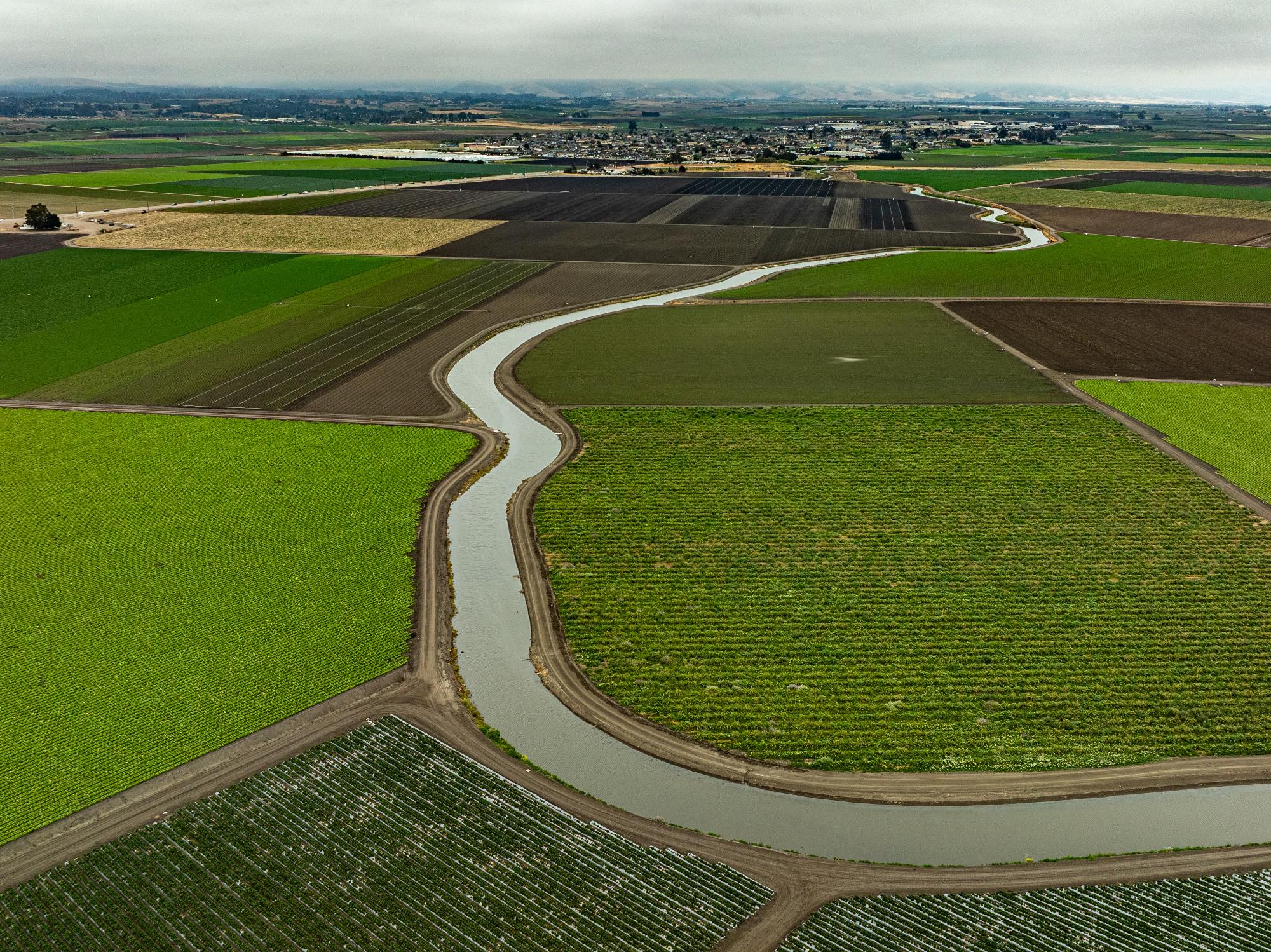
The Salinas Valley is a key contributor to California’s agricultural output, producing much of the state’s cool-season fruits and vegetables. In the late 1990s, MCWRA conducted an economic benefits analysis of its water infrastructure investments, which were designed to reduce flood risk and provide benefits to this important sector. Since the original study, the agency has significantly changed its approach to water resource management—adding infrastructure and operational changes to further stabilize groundwater, reduce seawater intrusion, and support instream flows. MCWRA needed an updated valuation to inform future planning and investment decisions.
Provide an updated analysis of MCWRA’s investments in water infrastructure
One Water Econ quantified and monetized the benefits accrued to Salinas Valley stakeholders over a 51-year period from the construction and operation of its water infrastructure projects— Nacimiento and San Antonio Reservoirs, the Castroville Seawater Intrusion Project, and the Salinas Valley Water Project. Our analysis evaluated a wide range of economic benefits, including:
- Avoided well replacement due to stabilized groundwater levels and reduced seawater intrusion
- Lower groundwater pumping costs resulting from higher groundwater levels
- Avoided flood damages to buildings, agriculture, and infrastructure
- Recreation opportunities linked to reservoir access
- Hydropower generation
This work highlights the long-term value of MCWRA’s investments and provides a foundation for future stakeholder assessments, budget planning, and strategic decision-making within the basin.