
Analyzing Affordability Challenges and Solutions for Small Water Systems

Limited capacity to address affordability challenges
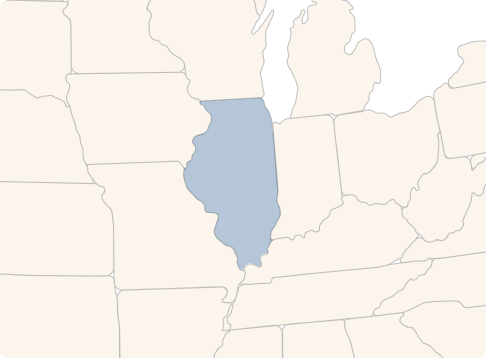
South Chicago Heights and Hazel Crest—two economically disadvantaged Cook County villages with fewer than 5,000 service accounts each—are facing growing water and wastewater affordability challenges. In Hazel Crest, rates have remained flat since 2013 even as aging infrastructure and persistent non-revenue water losses drive costs upward. South Chicago Heights has enacted modest rate increases over the past two decades, yet capital investment needs continue to outpace local incomes. With limited scale and fiscal capacity, their Public Works Departments have limited funds to address affordability challenges. At the same time, many vulnerable residents face the threat of service shut-offs and/or must divert scarce resources from other essentials just to keep the taps running.
Tailored Affordability Action Plans
One Water Econ led a holistic affordability assessment and developed a tailored Affordability Action Plan for both South Chicago Height and Hazel Crest. Key elements included:
- Reviewing current utility policies (rates, billing practices, leak and loss data, delinquencies, and customer shut-off policies).
- Analyzing socioeconomic data to identify vulnerable populations and affordability drivers.
- Applying affordability metrics to examine the water and wastewater burden for low income households.
- Stakeholder outreach (interviews and resident survey)
We used the results of these analyses to develop a suite of recommendations – implementing more affordability friendly rate structures, monthly/budget billing, flexible payment plan options, targeted communications and leak detection, water conservation, and more—to help ensure equitable access and long-term financial resilience.