

Understanding the Economic Impacts of Alternative Water Use Reduction Strategies in the Colorado River Basin
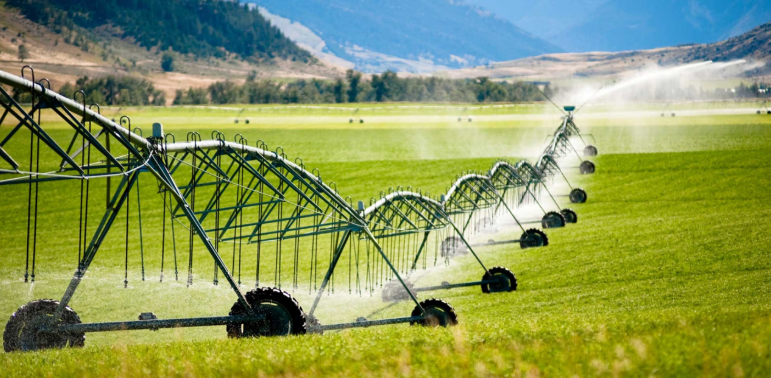
The Colorado River Basin is facing significant water supply challenges
The Colorado River Basin faces mounting pressure to reduce water use amid prolonged drought, declining reservoir levels, and growing demands across sectors. Agriculture accounts for the majority of consumptive use, making it a focal point for reduction strategies. However, policymakers lack a clear understanding of how different reduction strategies—voluntary, compensated, or mandatory—affect economic outcomes across diverse agricultural regions and crop types.
Identifying solutions that maximize water savings while minimizing economic impacts
Agriculture in the Colorado River Basin
One Water Econ assessed the social and economic impacts of water use reduction strategies across 79 counties in the Colorado River Basin and interbasin transfer areas of California. Using regional economic modeling and stakeholder-informed scenarios, the study estimated changes in agricultural output and income under varying reduction approaches.
The team combined literature review, expert interviews, and a detailed crop- and county-level dataset—including cropping patterns, consumptive use, and socioeconomic indicators. Key data sources included OpenET satellite-based evapotranspiration estimates, IMPLAN economic modeling, and NASS agricultural statistics.
Findings show that targeted, voluntary, and compensated reductions can yield substantial water savings while minimizing economic disruption. Regions with high-value crops and limited water flexibility face greater risks, highlighting the need for strategic program design. The study provides a data-driven framework to support basin-wide decisions that balance conservation goals with agricultural and community resilience.